
Resources

Reports

Our Alliance members consistently produce globally leading, cutting-edge research, modeling, and analysis that shape ambitious, cost-effective clean energy policies in the world’s largest and fastest-growing economies. The research below represents only a fraction of the Alliance’s total output. Visit each Alliance member’s website to view the complete body of work for each organization.

Rapid transit database

Rapid transit is the backbone of public transportation, especially in large cities, because it allows people to travel quickly between different neighborhoods. It functions best as part of a larger urban mobility system that includes walking and cycling. The Rapid Transit Database (RTDB) presents all publicly available data about every rapid transit line in the […]

Taming traffic

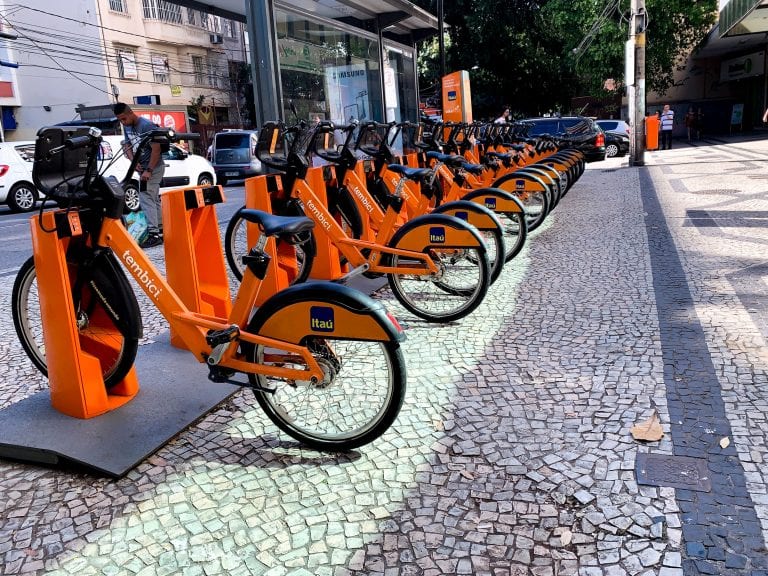
Demand for and use of private cars is growing worldwide, contributing to major challenges like poor air quality, traffic injuries, and climate change, especially in places experiencing rapid urbanization.

Pedestrians first: Tools for a walkable city

Walkability is a crucial first step in creating sustainable transportation in an urban environment.

Indicators for sustainable mobility

This report and online tool defines criteria to evaluate mass transportation systems and then uses the criteria to assess 20 cities in the US and compare the scores to those of eight cities in Canada and Mexico. ITDP developed a series of indicators based on three categories: proximity to transit, access to opportunity, and city characteristics.

California’s Advanced Clean Trucks regulation: Sales requirements for zero-emission heavy-duty trucks

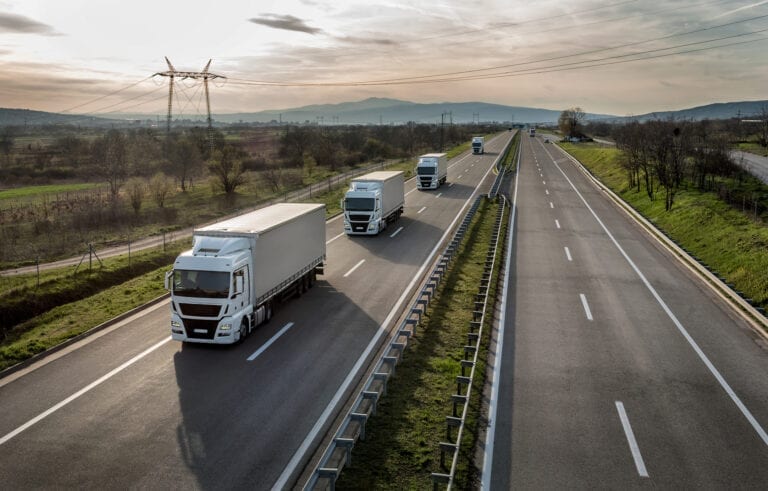
Sales requirements for zero-emission heavy duty trucks. On June 25, 2020, the California Air Resources Board (CARB) adopted the final rule for new standards that require the sale of zero-emission heavy-duty trucks (HDTs), starting with the 2024 model year. The Advanced Clean Trucks (ACT) regulation, first of its kind in the world to require manufacturers […]

Fuel consumption from new passenger cars in India

New fuel consumption limits for passenger vehicles are scheduled to take effect in India in FY 2022–23, and this paper examines the performance of manufacturer groups with respect to new passenger vehicles sold in FY 2019–20.

Global opportunities to advance water efficiency

CLASP assessed the viability of introducing water efficiency policies in the world’s top-18 carbon-emitting economies in the appliances sector, focusing specifically on policies for faucets and showerheads. CLASP ranked each country by the relative urgency and potential for impactful policies based on factors such as hot water consumption, pressure on water resources, and projected population increases. CLASP also assessed the viability of successfully implementing water efficiency policies, based on prerequisites such as existing water or efficiency policies.

Mepsy: an appliance & equipment impact calculator

In May 2021, CLASP introduced Mepsy, a new planning tool designed to help policymakers, researchers, and others assess the climate and energy impacts of appliance energy efficiency policy scenarios.

Hybrid heat homes: An incentive program to electrify space heating and reduce energy bills in American homes

This report proposes a low-barrier, least-cost policy package to rapidly deploy efficient space heating and cooling solutions in the United States. It aims to “raise the floor” for electric space heating in the residential HVAC market, delivering 45 million new installations over 10 years and paving the way for more ambitious decarbonization efforts.

Agora Industry: Enabling European industry to invest into a climate-neutral future before 2030

This short publication proposes that the European Commission should present an updated EU industrial strategy by April 2021 that addresses these weaknesses of the previous industrial strategy head on.

Agora Industry: Breakthrough Strategies for Climate-Neutral Industry in Europe

In the EU policy debate on the European Green Deal, many suppose that the basic materials industries can do little to achieve deep cuts in emissions by 2030.

Tomorrows markets today: Scaling up demand for climate neutral basic materials and products

Creating demand through its internal market and driving investment into innovative technologies and business models in this area will be important for the EU's new global competitive sustainability.

Categories

Newsletter Signup

Stay up to date with all the latest Crux Alliance news.

We use cookies to provide social media features, analyze our traffic, assist you with contacting us, and help improve your user experience on our website. By clicking “OK” you consent to the use of these types of cookies. However, some system cookies that are needed for this website to work properly have already been set. Learn more in our Privacy Policy.